VERB TO HAVE
Verb to have
El verbo "to have" en inglés significa principalmente "tener" o "poseer", y también funciona como verbo auxiliar para formar los tiempos perfectos ("haber"). Su conjugación en presente simple cambia a "has" para la tercera persona del singular (he, she, it), mientras que para el resto de las personas usa "have". Además, la estructura "have to" indica la obligación de hacer algo ("tener que").
Usos principales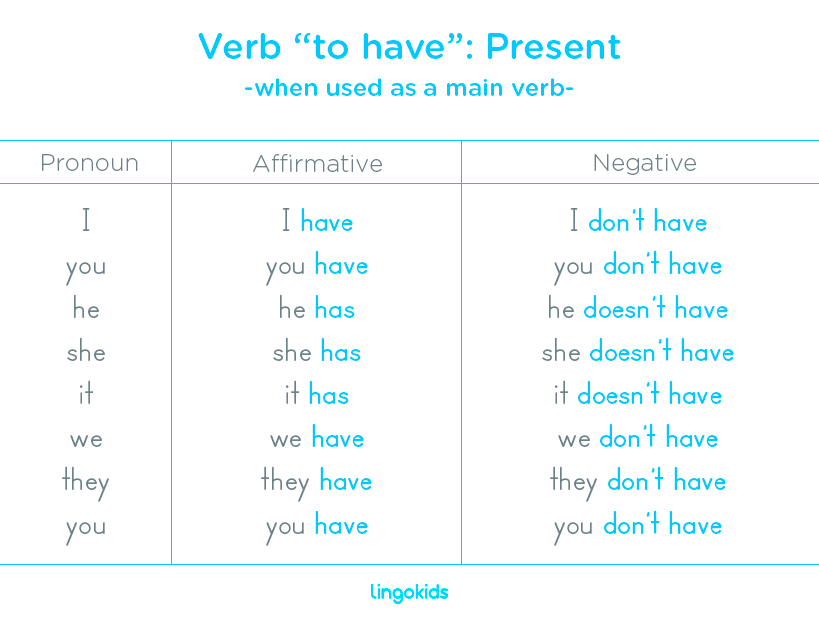
Oraciones corregidas
Oraciones en clase
I have a headache today.
-
She has a new stethoscope.
-
He does not have the flu.
-
Do they have an appointment with the doctor?
-
We do not have the test results yet.
a) The medicine has a strong taste, but it helps you feel better.b) The nurse doesn’t have the right tools for the check.c) Does the hospital have a big emergency room for accidents?d) The nurse does not have time to see more patients today.e) The patient has a fever.f) The doctor has a stethoscope to check your heart.g) The hospital doesn’t have many rooms for sick people.

Comentarios
Publicar un comentario